
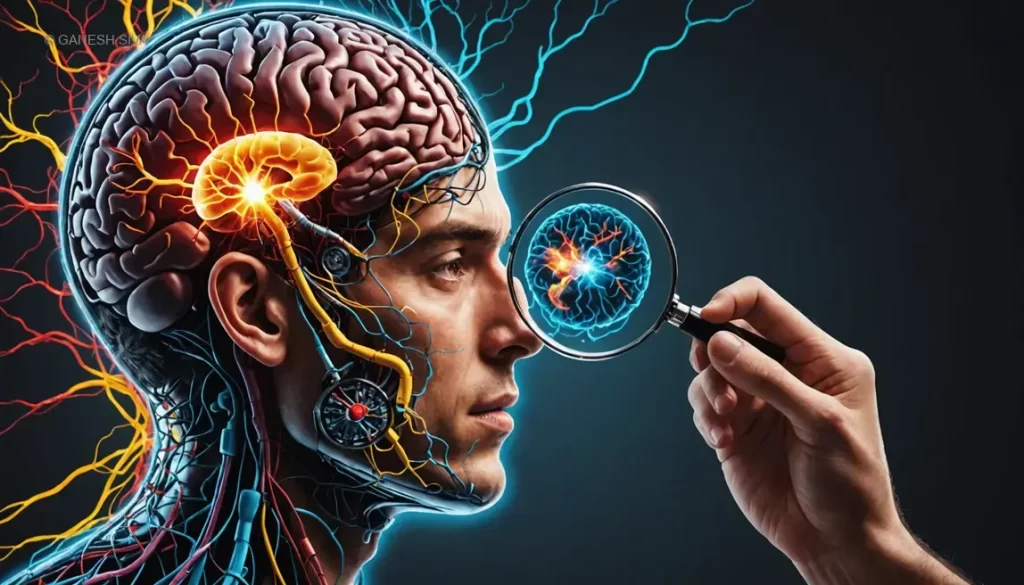
In an era saturated with information, the Backfire Effect emerges as a paradoxical phenomenon where presenting factual evidence to correct misconceptions paradoxically strengthens those very beliefs. This cognitive bias, first documented in political psychology research, underscores a fundamental challenge in human reasoning: our identities and worldviews often trump objective data. Consequently, understanding the Backfire Effect is not merely an academic exercise but a critical skill for navigating today’s polarized discourse. This guide will delve into its mechanisms, explore its manifestations across domains, and provide nuanced strategies to mitigate its impact.
The Psychological Foundations of the Backfire Effect
The Backfire Effect originates from cognitive dissonance theory, pioneered by Leon Festinger in the 1950s, which posits that individuals experience psychological discomfort when confronted with information conflicting with their existing beliefs. Historically, this was observed in studies like Festinger’s ‘When Prophecy Fails,’ where a UFO cult intensified their convictions after a predicted apocalypse did not occur. This phenomenon underscores how humans prioritize coherence in their belief systems over empirical accuracy. In contemporary psychology, the Backfire Effect is linked to motivated reasoning, where people selectively process information to protect their identities or social affiliations. For instance, in political debates, supporters might dismiss credible data that challenges their candidate’s stance, reinforcing partisan divides. Furthermore, neuroscientific research reveals that challenging core beliefs can activate brain regions associated with emotional processing, such as the amygdala, making rational evaluation difficult. Consequently, this bias is not a mere intellectual flaw but a deeply ingrained survival mechanism tied to social cohesion and self-preservation. Pro-Tip: When encountering resistance, acknowledge the emotional weight of beliefs before presenting facts, as this can reduce defensive reactions. Pro-Tip: Use ‘inoculation theory’ by preemptively exposing individuals to weak counterarguments, which can build cognitive resilience against misinformation. Pro-Tip: Frame corrections collaboratively, such as ‘Let’s explore this together,’ to avoid triggering identity threats that exacerbate the Backfire Effect.
Historical Context and Evolution of the Backfire Effect
The conceptual underpinnings of the Backfire Effect can be traced to ancient philosophical debates, such as those in Plato’s ‘Allegory of the Cave,’ where individuals resisted enlightenment due to entrenched perceptions. However, its formal study began in the late 20th century with political scientists like Brendan Nyhan and Jason Reifler, who in 2010 documented how corrective information about weapons of mass destruction in Iraq strengthened misperceptions among certain groups. This research highlighted the role of partisan identity in shaping factual acceptance, a trend that has intensified with the rise of digital media. Historically, similar dynamics appeared in events like the Dreyfus Affair in 19th-century France, where anti-Semitic beliefs persisted despite exonerating evidence, demonstrating how social and political contexts amplify cognitive biases. In modern times, the Backfire Effect has evolved with technology, as echo chambers on social media platforms facilitate reinforcement of false beliefs through algorithmic curation. For example, during the COVID-19 pandemic, public health corrections often led to increased skepticism among vaccine-hesitant communities, illustrating how rapid information dissemination can paradoxically entrench misinformation. Consequently, understanding this historical trajectory reveals that the Backfire Effect is not a new anomaly but a persistent feature of human cognition, exacerbated by contemporary communication tools. Pro-Tip: Study historical case studies, such as the misinformation campaigns during the Salem witch trials, to recognize patterns in how beliefs resist correction over time. Pro-Tip: Analyze the role of media literacy in historical contexts to develop strategies that address root causes rather than symptoms of the Backfire Effect. Pro-Tip: Incorporate interdisciplinary insights from history and sociology to tailor communication approaches that account for cultural and temporal factors influencing belief persistence.
The Backfire Effect in Modern Digital Landscapes
In today’s digital age, the Backfire Effect manifests with unprecedented scale and speed, driven by social media algorithms that prioritize engagement over accuracy. Current trends show that platforms like Facebook and Twitter often amplify divisive content, creating filter bubbles where users are rarely exposed to challenging viewpoints. This phenomenon underscores how algorithmic personalization reinforces existing beliefs, making corrective efforts more likely to backfire. For instance, fact-checking labels on political posts have sometimes increased sharing among partisan groups, as documented in studies by the MIT Media Lab. Furthermore, the proliferation of deepfakes and AI-generated misinformation complicates this landscape, as synthetic media can be tailored to exploit cognitive biases, leading to stronger belief entrenchment upon debunking. In addition, the gamification of online discourse, through features like likes and shares, incentivizes emotional reactions over reasoned debate, exacerbating the Backfire Effect in public health and political arenas. Consequently, digital environments not only mirror but intensify traditional cognitive resistances, requiring adaptive strategies for effective communication. Pro-Tip: Leverage platform analytics to identify when and how corrections trigger backfire responses, allowing for real-time adjustments in messaging. Pro-Tip: Collaborate with tech companies to design algorithms that promote diverse perspectives, potentially reducing echo chamber effects that fuel the Backfire Effect. Pro-Tip: Utilize multimedia formats, such as interactive infographics, to present corrections in engaging ways that circumvent defensive cognitive processing.
Strategies to Mitigate the Backfire Effect in Communication
Addressing the Backfire Effect necessitates a multifaceted approach that moves beyond mere fact-presentation to encompass psychological and relational dimensions. The why behind effective strategies lies in reducing the perceived threat to identity that often triggers defensive reactions; for example, when beliefs are tied to personal values or group membership, direct contradictions can be interpreted as attacks. The how involves techniques such as motivational interviewing, which emphasizes empathy and open-ended questions to explore beliefs without confrontation, thereby lowering resistance. Furthermore, leveraging narrative persuasion—embedding facts within compelling stories—can bypass analytical skepticism by appealing to emotional and experiential processing. In professional settings, such as healthcare or education, training in cultural humility and active listening has shown promise in mitigating backfire responses by fostering trust before introducing corrective information. Consequently, the consequences of neglecting these strategies include deepened polarization and eroded public discourse, whereas adoption can enhance collaborative problem-solving and knowledge integration. Pro-Tip: Implement ‘truth sandwiches’ by stating a fact, addressing the misconception, and reiterating the fact, which can reinforce accurate information without emphasizing falsehoods. Pro-Tip: Develop prebunking campaigns that anticipate and counter misinformation before it spreads, reducing the cognitive load required for later corrections. Pro-Tip: Foster environments of psychological safety in teams or communities, where questioning beliefs is normalized, thus diminishing the identity threats that drive the Backfire Effect.
Conclusion
The Backfire Effect represents a profound challenge in an information-rich world, revealing that human cognition is often swayed more by identity and emotion than by logic. This guide has explored its psychological roots, historical evolution, modern digital amplifications, and practical mitigation strategies, emphasizing that overcoming this bias requires nuanced, empathetic approaches. By integrating insights from psychology, history, and technology, individuals and organizations can foster more effective communication and reduce polarization. Ultimately, recognizing and addressing the Backfire Effect is not just about correcting misinformation but about building resilient, informed communities capable of navigating complex truths.