
Introduction: The Hidden Cost of Multitasking
Dual-task interference reveals our cognitive limits. It occurs when performing two tasks simultaneously. Performance suffers compared to doing them separately. This phenomenon is common in daily life. Think of driving while talking on the phone. Both tasks demand attention. Yet our brains struggle to handle them together. Understanding this helps optimize productivity. It also enhances safety in critical situations. Multitasking often leads to errors and delays. Research shows it can reduce efficiency by up to 40%. This introduction explores why that happens. We will uncover the science behind cognitive overload. Mastering these insights can improve focus and outcomes. Let’s dive into the basics first.
Single-task performance allows full attention. Resources focus on one activity. Results are typically faster and more accurate. Dual-task scenarios split these resources. Interference arises from competition. Tasks may conflict in processing demands. For example, listening and writing at once. One might overshadow the other. This is not just about time management. It involves deep neural mechanisms. Our brains have finite capacities. Exceeding them causes breakdowns. Real-world impacts are significant. In workplaces, it affects decision-making. In education, it hinders learning retention. Recognizing interference is the first step. We can then develop strategies to mitigate it. This series will guide you through key concepts.
Why does dual-task interference matter today? Modern life encourages constant multitasking. Smartphones and notifications bombard us. Yet our brains evolved for focused tasks. This mismatch creates stress and errors. By studying interference, we gain control. We learn when to combine tasks safely. We also know when to avoid it. This knowledge applies across fields. From aviation to healthcare, it saves lives. In personal life, it boosts well-being. Reducing overload can lower anxiety levels. It fosters deeper engagement with activities. The following chapters break down the science. They start with core definitions. Then explore neural foundations. Finally, theories explain the ‘why’. Each section includes practical scenarios. These illustrate concepts in action. Let’s begin this journey to mastery.
Real-World Scenario: A student studies while watching TV. Notes are incomplete. Test scores drop. This shows dual-task interference. Divided attention harms learning outcomes. Focusing on one task improves retention.
The Core Concept: What Is Dual-Task Interference?
Dual-task interference occurs during multitasking. It describes performance decline. Tasks compete for cognitive resources. Single-task performance is baseline. Doing one thing allows full focus. Accuracy and speed are higher. Add a second task. Interference often emerges. This is not always obvious. Subtle delays or errors appear. For instance, typing while listening. One task may slow down. Or both suffer equally. The concept is foundational. It explains why multitasking fails. Contrast it with single-tasking. That uses undivided attention. Resources are not split. Outcomes are more reliable. Interference varies by task type. Similar tasks cause more conflict. Like talking and reading aloud. Different tasks might interfere less. But limits still exist. Understanding this sets the stage. It highlights our cognitive boundaries. We can’t do everything at once. Recognizing interference helps manage demands. It encourages prioritization in daily life. This knowledge reduces frustration. It also boosts efficiency when applied.
- Dual-task interference means worse performance with two tasks.
- Single-task performance is better due to focused attention.
- Interference shows our brain’s limited capacity for multitasking.
Real-World Scenario: A chef cooks multiple dishes. One burns due to distraction. Single-tasking on each dish prevents this. Interference causes mistakes in time-sensitive tasks.
The Neural Underpinnings: How the Brain Manages Competing Demands
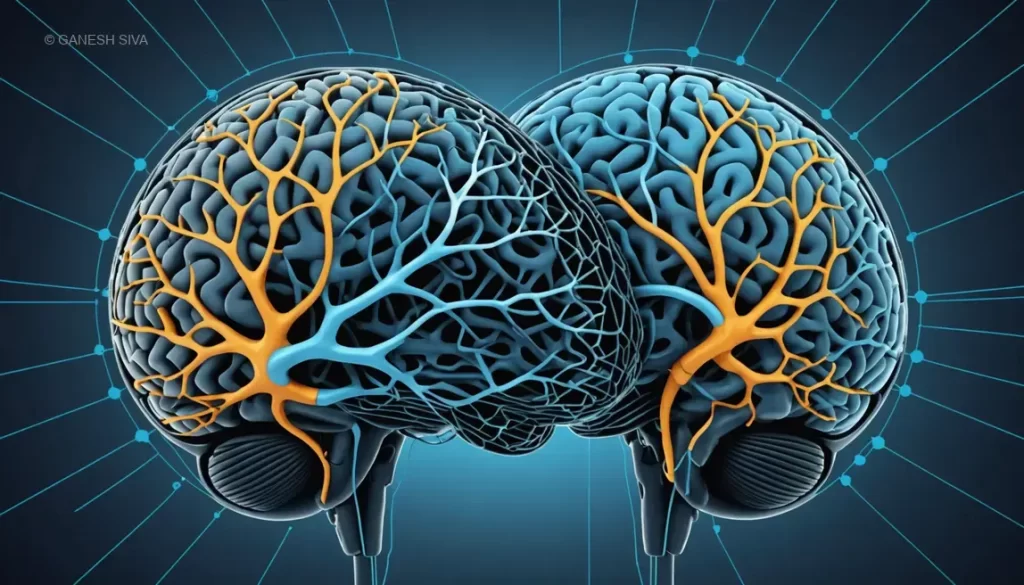
The brain handles dual tasks through specific regions. Executive functions are key. The prefrontal cortex plays a central role. It manages attention and decision-making. During interference, this area works harder. Resources are allocated between tasks. Networks like the frontoparietal system activate. They coordinate cognitive control. But capacity is limited. Overload leads to breakdowns. Other regions include the anterior cingulate cortex. It monitors conflicts between tasks. When demands clash, it signals errors. This neural dance is complex. It explains why multitasking is tough. Brain imaging studies show increased activity. Yet performance still drops. Resource allocation is not infinite. Tasks compete for neural bandwidth. Similar tasks share resources more. Causing greater interference. Understanding these underpinnings is crucial. It reveals our biological constraints. We can’t rewire our brains easily. But we can work within limits. This knowledge informs better habits. It encourages task sequencing over simultaneous work.
- The prefrontal cortex directs attention during dual tasks.
- Executive functions allocate limited cognitive resources.
- Brain networks like frontoparietal manage competing demands.
Real-World Scenario: A pilot monitors instruments while communicating. Brain regions coordinate these tasks. Overload from too many alerts causes mistakes. Neural limits impact safety in high-stakes environments.
The Bottleneck Theory: Why We Can’t Do Two Things at Once
Bottleneck theory explains dual-task interference. It posits a cognitive bottleneck. Tasks must pass through a narrow channel. Only one can proceed at a time. This causes delays. The second task waits its turn. Capacity models add to this. They suggest limited mental resources. Tasks share a pool of energy. When depleted, performance suffers. These theories illustrate our limitations. They show why multitasking often fails. For example, responding to emails while on a call. One task gets priority. The other is delayed or degraded. Bottlenecks occur in processing stages. Like perception or response selection. This is not just about time. It’s about cognitive architecture. Our brains are not built for parallel processing. Understanding this helps in planning. We can avoid overloading the bottleneck. By sequencing tasks, we reduce interference. This theory underpins many productivity strategies. It encourages mindful task management.
- Bottleneck theory says tasks queue in a cognitive narrow point.
- Capacity models describe limited shared mental resources.
- These theories explain performance drops in dual-task scenarios.
Real-World Scenario: A gamer reacts to visuals and audio. Bottleneck causes missed cues. Focusing on one input improves reaction time. Theory explains why split attention fails in fast-paced activities.
The Science of Cognitive Overload
Cognitive overload occurs when mental demands exceed capacity. This leads to errors and reduced performance. Multitasking often triggers this state. Our brains struggle with simultaneous tasks. Focus fragments under excessive pressure. Stress compounds these effects over time. Recognizing overload signs is crucial for prevention. Symptoms include forgetfulness and irritability. Proactive management improves resilience. Limit tasks to essential priorities. Schedule breaks to restore mental energy. Practice mindfulness to enhance focus. These steps reduce cognitive strain effectively.
Strategies for Effective Task Management
Effective task management boosts productivity and clarity. Prioritize tasks using urgency and importance. Break large projects into smaller steps. Use tools like calendars and lists. Set clear deadlines to maintain momentum. Avoid multitasking to prevent errors. Single-tasking enhances quality and speed. Delegate when possible to share workload. Review progress regularly for adjustments. Implement these strategies consistently.
- Identify top priorities daily
- Allocate focused time blocks
- Minimize distractions during work
- Use technology wisely for reminders
A software team reduced bugs by 30% after adopting single-tasking. They focused on one module at a time. This improved code quality and team morale significantly.
Building Sustainable Work Habits
Sustainable habits ensure long-term success and well-being. Consistency is key to forming routines. Start with small, achievable changes. Gradually build upon these foundations. Balance work with rest and recovery. Physical health supports mental performance. Regular exercise and sleep are vital. Avoid burnout by setting boundaries. Learn to say no to non-essential tasks. Reflect on habits weekly for improvement. Adapt strategies as needs evolve.
- Establish a morning routine for focus
- Incorporate short breaks every hour
- Review accomplishments at day’s end
- Adjust plans based on feedback
An entrepreneur increased output by 20% with structured habits. She scheduled deep work sessions. This led to better product launches and less stress.
Conclusion
In conclusion, mastering task management is essential for peak performance. Dual-Task Interference highlights the pitfalls of multitasking. It shows how divided attention reduces efficiency. This concept underscores the need for focused work. By understanding cognitive limits, we can design better systems. Prioritizing single tasks minimizes errors and boosts quality. Sustainable habits ensure long-term productivity. They prevent burnout and enhance well-being. Implementing strategies like time blocking is effective. It allocates resources wisely. Regular breaks maintain mental clarity. Delegation shares the workload appropriately. Technology aids organization but requires mindful use. Reflection allows continuous improvement. Adapting to changing demands is crucial. Ultimately, balancing effort with recovery is key. Dual-Task Interference reminds us to work smarter. Focused approaches yield superior results. They transform chaos into controlled progress. Embrace these principles for lasting success. Build routines that support your goals. The journey to efficiency is ongoing. Stay committed to refining your methods. Achieve more by doing less simultaneously. Let Dual-Task Interference guide your choices. It paves the way for excellence in all endeavors.