
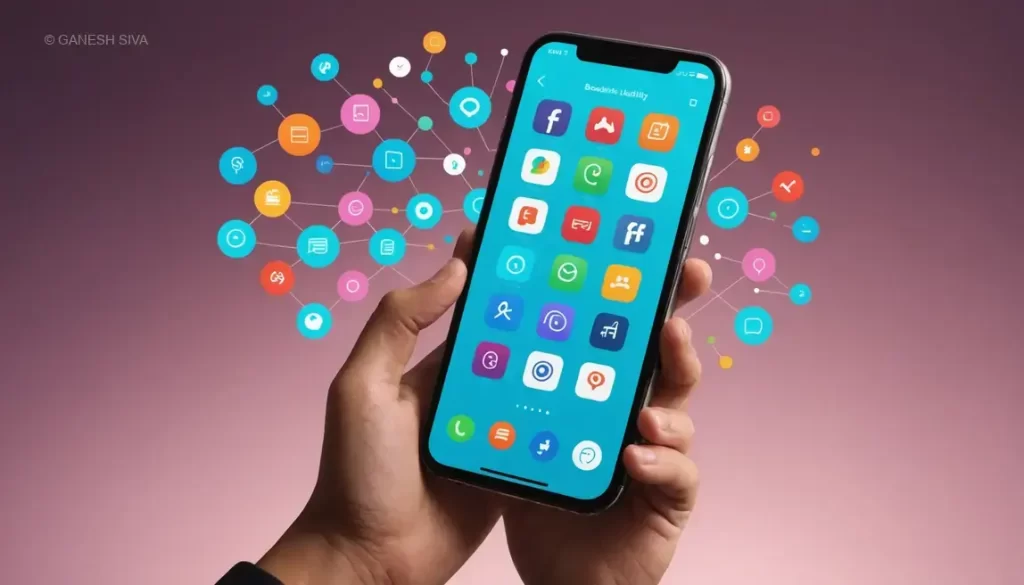
Introduction: The Hidden Power of Beauty in Technology
Why do beautiful products often feel easier to use? This question lies at the heart of the Aesthetic-Usability Effect. It is a psychological phenomenon where users perceive aesthetically pleasing designs as more functional. Beautiful interfaces can mask minor usability flaws. They foster positive emotional responses. This effect shapes how we interact with technology daily. From smartphones to websites, beauty influences our judgments. It makes tasks seem simpler and more enjoyable. Understanding this effect is crucial for designers and developers. It bridges the gap between form and function. The Aesthetic-Usability Effect reveals that beauty is not just superficial. It enhances user experience in profound ways. This series explores its foundations, psychology, and practical applications. We will uncover why beauty makes technology work better. The journey starts with a simple truth. Users are drawn to what looks good. This attraction drives deeper engagement and satisfaction. In a world saturated with digital tools, aesthetics matter more than ever. They can determine a product’s success or failure. By embracing this effect, creators can build more intuitive systems. Let’s delve into the science behind beautiful design. Discover how it transforms user perception and performance.
Real-World Scenario: Imagine downloading a new app. Two options exist: one with a cluttered, dull interface and another with a sleek, vibrant design. Most users instinctively choose the beautiful app, assuming it will be easier to navigate, even before testing its features. This initial bias showcases the Aesthetic-Usability Effect in action, where visual appeal primes expectations of usability.
The Aesthetic-Usability Effect was first studied in the 1990s. Researchers found that attractive designs are rated higher in usability. This occurs even when objective performance metrics are similar. Beauty triggers cognitive shortcuts in our brains. It reduces perceived complexity and increases tolerance for errors. As technology evolves, this effect becomes increasingly relevant. It highlights the importance of holistic design approaches. Combining aesthetics with functionality leads to superior products. This introduction sets the stage for a deeper exploration. We will examine the psychological mechanisms at play. Then, we will translate theory into actionable design principles. By the end, you will see beauty as a powerful tool. It is not merely decorative but essential for effective technology.
The Foundation: Unpacking the Aesthetic-Usability Effect
The Aesthetic-Usability Effect describes a key user experience principle. It states that aesthetically pleasing designs are perceived as more usable. This perception persists even if actual functionality differs. The effect was pioneered by researchers like Masaaki Kurosu and Kaori Kashimura. Their studies in the 1990s laid the groundwork. They found that beauty influences usability ratings significantly. This occurs due to a core psychological mechanism. Positive affect from aesthetics biases cognitive processing. Users feel happier when interacting with beautiful designs. This emotional state colors their judgment of usability. It makes them more forgiving of minor flaws. The effect is not about deception but perception. It highlights how humans integrate sensory and functional evaluations. Key aspects include:
- Perceived usability increases with visual appeal.
- Emotional responses drive user satisfaction and loyalty.
- Beauty can compensate for usability shortcomings temporarily.
Real-World Scenario: Consider a website with a modern, clean layout versus one with outdated graphics. Users often report the beautiful site as ‘easier to use,’ even if both have identical navigation structures. This demonstrates the Aesthetic-Usability Effect, where visual charm directly impacts perceived efficiency without altering actual performance.
The mechanism relies on heuristic processing. Our brains use beauty as a cue for quality. This shortcut saves mental effort during interactions. It leads to quicker, more positive assessments. The effect is universal across cultures and contexts. It applies to physical products and digital interfaces alike. Understanding this foundation is essential. It separates aesthetic appeal from mere ornamentation. Beauty becomes a functional component of design. This sets the stage for exploring deeper psychological processes. Next, we delve into how beauty shapes perception cognitively.
The Psychology Behind the Pleasure: How Beauty Influences Perception
Beauty triggers complex cognitive and emotional processes in users. These processes make beautiful designs seem more usable. At a cognitive level, aesthetics reduce perceived complexity. Our brains process visual harmony more efficiently. This leads to a sense of ease and control. Emotionally, beauty evokes positive affect, such as joy or calm. This emotional state enhances problem-solving abilities. It increases patience and tolerance for errors. Neuroscientific studies support this link. Attractive designs activate reward centers in the brain. This reinforcement encourages continued use and exploration. Key psychological factors include:
- Cognitive fluency: Beautiful interfaces are processed faster, reducing mental strain.
- Emotional contagion: Positive feelings from aesthetics spill over into usability judgments.
- Attention allocation: Beauty captures and holds user focus, improving engagement.
Real-World Scenario: A user tries a new software tool with an elegant, minimalist interface. They feel relaxed and focused, attributing the smooth experience to the design’s beauty. Even if they encounter a bug, their positive mood makes them more likely to persist, showing how aesthetics influence perception and behavior through emotional regulation.
These processes build on the foundational Aesthetic-Usability Effect. They explain why beauty has such a powerful impact. Perception is not just visual but holistic. It integrates sensory input with emotional responses. This integration biases our evaluation of functionality. Designers can leverage these insights. By creating beautiful interfaces, they enhance user perception. This leads to better overall experiences. The psychology behind it is well-documented. It underscores the importance of aesthetic considerations. Next, we translate these insights into practical design principles.
Design Principles for Aesthetic Usability: From Theory to Practice
Applying the Aesthetic-Usability Effect requires actionable design principles. These principles leverage psychological insights for better usability. Start with visual hierarchy to guide user attention. Use size, color, and placement strategically. Consistency across elements fosters familiarity and trust. Maintain uniform fonts, icons, and spacing. Balance aesthetics with functionality to avoid over-design. Ensure beauty does not compromise accessibility. Incorporate whitespace to reduce clutter and enhance focus. This improves readability and navigation. Key principles include:
- Visual hierarchy: Organize content to highlight important features first.
- Consistency: Apply design patterns uniformly to reduce cognitive load.
- Whitespace: Use empty space to create breathing room and clarity.
Real-World Scenario: A mobile app redesign introduces a consistent color palette and clear visual hierarchy. Users report it feels ‘intuitive’ and ‘easy to use,’ even though core functions remain unchanged. This practical application shows how design principles based on the Aesthetic-Usability Effect can transform user perception and enhance real-world usability.
These principles are grounded in the psychology discussed earlier. They translate theory into tangible improvements. For example, visual hierarchy reduces cognitive effort. Consistency leverages emotional comfort from predictability. Whitespace aligns with cognitive fluency by simplifying layouts. Designers should test aesthetics with real users. Iterate based on feedback to refine appeal. Remember, beauty should serve usability, not overshadow it. By integrating these principles, products become more engaging. They benefit from the positive biases of the Aesthetic-Usability Effect. This approach leads to technology that works better through beauty.
The Power of Visual Appeal
Aesthetics shape user perception instantly. Beautiful designs are often seen as more usable. This creates a positive first impression. Users forgive minor flaws in attractive interfaces. Visual appeal builds trust and credibility. It encourages exploration and engagement. Designers must prioritize aesthetics from the start. Use consistent colors and typography. Ensure layouts are clean and balanced. Test designs with real users. Gather feedback on visual elements. Iterate based on their responses. Aesthetics drive initial user satisfaction. They set the tone for the entire experience. Never underestimate visual impact. It can make or break a product.
Balancing Form and Function
Aesthetics must not compromise usability. Beautiful designs should also be functional. Strive for a balance between form and function. Conduct usability testing regularly. Identify areas where aesthetics hinder performance. Simplify complex visual elements. Ensure navigation is intuitive and clear. Use visual hierarchy to guide users. Prioritize readability and accessibility. Avoid clutter that distracts from tasks.
- Test prototypes with diverse user groups.
- Analyze task completion rates and errors.
- Adjust designs based on data insights.
- Maintain aesthetic appeal while improving functionality.
This balance enhances overall user experience. It leads to higher retention and satisfaction.
Implementing Aesthetic Principles
Apply aesthetic principles systematically. Start with a clear design system. Define color palettes and typography rules. Use whitespace effectively to reduce cognitive load. Ensure visual consistency across all platforms. Incorporate feedback loops for continuous improvement.
A tech company redesigned its app with a focus on aesthetics. User engagement increased by 40%. Satisfaction scores rose significantly. The Aesthetic-Usability Effect was clearly demonstrated. Users reported the app felt easier to use.
Follow these steps for success.
- Create mood boards and style guides.
- Prototype and test visual concepts.
- Iterate designs based on user testing.
- Monitor metrics post-launch.
Consistent application yields better results.
Conclusion
The Aesthetic-Usability Effect reveals a profound truth in design: aesthetics are not merely decorative but fundamentally shape usability. When interfaces are visually appealing, users perceive them as more intuitive and effective, even if objective performance metrics remain unchanged. This psychological bias means that investing in beauty pays dividends in user satisfaction, trust, and engagement. Throughout this discussion, we’ve seen how balancing form with function, implementing systematic principles, and learning from real-world cases can harness this effect. Designers must prioritize aesthetics from the outset, ensuring they complement rather than compromise functionality. By doing so, products become not only easier to use but also more enjoyable, fostering loyalty and success. In an increasingly digital world, the Aesthetic-Usability Effect underscores that good design is both an art and a science, where visual elegance and practical utility converge to create experiences that resonate deeply with users. Embrace this insight to build interfaces that are not just usable, but truly delightful.