
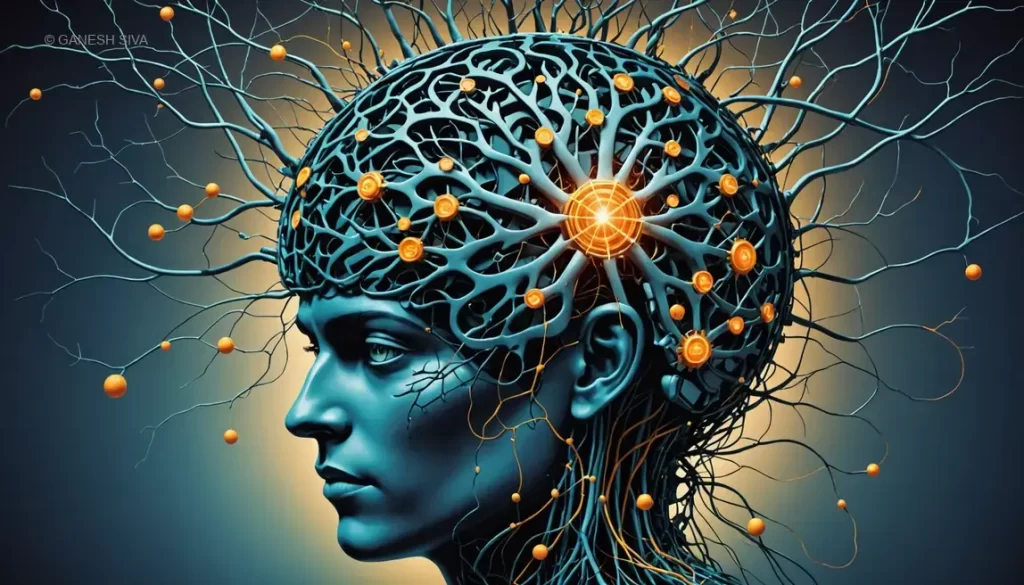
Imagine walking through a dark forest at night. Every rustle in the leaves might signal danger. Your heart races. You instinctively scan for a hidden predator. This primal reaction stems from agency detection. It is our brain’s tendency to perceive purposeful agents in our environment. These agents can be animals, people, or even supernatural beings. This cognitive process shapes human experience profoundly. It influences belief, paranoia, and social connection. Understanding it reveals why we see intent where none exists. Agency detection operates automatically, often below conscious awareness. It helps us navigate a complex world filled with potential threats and allies. Historically, this trait offered survival advantages. Mistaking a rustle for a predator was safer than ignoring it. This bias toward false positives persists today. It explains many aspects of human psychology and culture. From ancient rituals to modern conspiracy theories, agency detection plays a key role. It bridges our evolutionary past with contemporary behaviors. This series explores its origins, mechanisms, and impacts. We will delve into how it fosters both community and conflict. The journey begins with its evolutionary roots. Then we examine the brain’s blueprint for constructing agency. Finally, we see its role in religion and the supernatural. Each step illuminates this fundamental cognitive engine. It drives our search for meaning in an uncertain world.
Real-World Scenario: A hiker hears a sudden crack in the woods. They immediately freeze, assuming a bear or another hiker is nearby. This quick attribution of agency to an unseen source showcases the instinct in action, prioritizing safety over accuracy.
The Evolutionary Spark: Why We See Agents Everywhere
Early humans faced constant threats from predators. Survival depended on quick, accurate judgments. Agency detection evolved as a crucial adaptation. It helped our ancestors identify potential dangers swiftly. This cognitive bias favored false alarms over missed threats. Mistaking a shadow for a saber-toothed tiger was costly. But ignoring a real predator was fatal. Thus, hyper-vigilance became ingrained in our psychology. This mechanism extended beyond immediate physical dangers. It also aided in social interactions and hunting. Recognizing other agents allowed for cooperation and competition. In predator-prey dynamics, detecting agency meant life or death. Prey animals that sensed predators early survived longer. Humans applied this to both animals and rival groups. This trait was passed down through generations. It shaped our neural wiring and behavioral responses. Today, we still exhibit this evolutionary legacy. We often perceive agency in random events or inanimate objects. This spark drives much of human behavior and belief.
- False positives in threat detection enhanced survival rates.
- Social coordination relied on recognizing intentional agents.
- Predator avoidance became a primary selective pressure.
Real-World Scenario: In a savannah, an early human hears rustling grass. They assume it’s a lion and flee. Even if it’s just the wind, this reaction prevents potential attack, illustrating the adaptive advantage of over-detection.
The Cognitive Blueprint: How Our Brains Construct Agency
Our brains are wired to detect patterns and intentions. Specific neural networks drive this process. The temporoparietal junction is key for agency attribution. It integrates sensory information with social cues. Pattern recognition helps us identify familiar agents quickly. We see faces in clouds or hear voices in static. This is due to hyperactive agency detection systems. Theory of mind allows us to infer others’ thoughts and motives. It builds on evolutionary foundations for social survival. Mirror neurons may also play a role in understanding actions. Cognitive biases like pareidolia enhance this tendency. We perceive meaningful shapes where none exist. This blueprint operates automatically and efficiently. It minimizes cognitive load in complex environments. Emotions like fear can amplify agency detection. Stress makes us more likely to see threats. This neural machinery underpins both rational and irrational beliefs. It connects our inner world with external realities.
- Pattern recognition systems identify potential agents from minimal data.
- Theory of mind infers intentions behind observed behaviors.
- Neural pathways prioritize speed over accuracy in detection.
Real-World Scenario: Someone sees a shadow move in a dim room. Their brain instantly interprets it as a person. This rapid construction of agency demonstrates the cognitive processes at work, even in ambiguous situations.
From Gods to Ghosts: Agency Detection in Religion and Supernatural Belief
Agency detection fuels religious and supernatural concepts worldwide. Ancient animism attributed spirits to natural phenomena. Rivers, trees, and storms were seen as conscious agents. This belief system emerged from detecting agency in the environment. Deities in major religions often possess human-like intentions. Gods are perceived as agents with plans and desires. This makes abstract forces relatable and understandable. Ghosts and ancestors are common in many cultures. They represent continued agency after death. Rituals and prayers engage these perceived agents. They seek favor or protection from supernatural beings. This connection fosters community and moral frameworks. Agency detection explains why people believe in unseen forces. It provides comfort in the face of uncertainty. Natural disasters or personal tragedies are often attributed to divine will. This attribution gives events meaning and purpose. Supernatural beliefs persist despite scientific advancements. They tap into deep-seated cognitive tendencies.
- Animism personifies natural elements as spiritual agents.
- Deities are conceptualized with intentionality and power.
- Ancestor worship maintains social bonds beyond death.
Real-World Scenario: During a thunderstorm, a person might think the gods are angry. This attribution of agency to weather patterns shows how detection shapes supernatural explanations for natural events.
The Evolutionary Roots of Agency Detection
Agency detection evolved as a survival mechanism. Early humans needed to identify threats quickly. This cognitive bias helped them spot predators or enemies. It also fostered social cooperation. People could attribute intentions to others. This built trust and group cohesion. Over time, it became ingrained in human psychology. It explains why we see faces in clouds. We often perceive patterns where none exist. This tendency shapes our beliefs and behaviors. It influences how we interpret the world. Understanding this root is crucial for modern applications. It helps explain religious and supernatural beliefs. People attribute agency to natural events. This can lead to misconceptions or innovations. Recognizing this bias allows for better decision-making. It encourages critical thinking in ambiguous situations. Use these insights to improve communication strategies. Highlight intentions clearly to avoid misunderstandings. Foster environments that reduce unnecessary threat detection. This promotes rational analysis over instinctive reactions.
Agency Detection in Modern Technology and AI
Modern technology amplifies agency detection tendencies. AI systems often appear sentient to users. People attribute intentions to algorithms and robots. This can enhance user engagement or cause fear. It impacts human-computer interaction significantly. Designers must consider this cognitive bias carefully. Clear communication about AI capabilities is essential. Avoid anthropomorphizing machines to prevent confusion. This reduces unrealistic expectations from technology. Use these principles in product development. Implement transparent interfaces that explain actions. Educate users on how AI systems operate. This fosters trust and appropriate usage. Case studies show varied outcomes.
In healthcare, patients trusted AI diagnostics more when perceived as human-like. This improved compliance but raised ethical concerns about dependency.
Follow actionable steps for better integration.
- Test user perceptions during design phases.
- Provide disclaimers on AI limitations.
- Monitor for over-reliance on automated systems.
Balance engagement with factual accuracy. This ensures technology serves human needs effectively.
Harnessing Agency Detection for Positive Change
Agency detection can drive positive societal impacts. It enhances empathy and prosocial behaviors. People are more likely to help others they perceive as intentional. This can be leveraged in marketing and education. Campaigns that personalize messages increase engagement. They trigger emotional responses effectively. Use this to promote health and environmental causes. Frame issues with clear agentic narratives. This motivates action and support. Avoid manipulation by ensuring truthful content. Ethical applications build long-term trust. Implement strategies in community programs.
- Create stories that highlight human agency in success.
- Use relatable characters in educational materials.
- Encourage collaborative projects that foster shared goals.
Case studies illustrate success.
A recycling initiative used local heroes in ads. Participation rates rose by 30% as residents felt personally connected.
Monitor outcomes to refine approaches. This maximizes benefits while minimizing risks. It turns a cognitive bias into a tool for good. Apply these methods across various sectors. They enhance communication and collective action.
Conclusion
Agency detection is a fundamental aspect of human cognition. It stems from evolutionary needs for survival. This bias shapes how we perceive the world. We often attribute intentions to non-agentic entities. This influences beliefs, behaviors, and interactions. In modern contexts, it impacts technology and AI. People may see machines as having minds. This requires careful design and education. Clear communication prevents misunderstandings. It also fosters appropriate trust in systems. Beyond technology, agency detection drives social change. It enhances empathy and motivates action. Campaigns can use narratives to engage audiences. They should always prioritize ethical standards. Truthful content builds lasting connections. Understanding this bias offers powerful tools. It helps improve decision-making and communication. We can reduce unnecessary fears and errors. We can also promote cooperation and innovation. Embrace agency detection as a cognitive asset. Apply insights across various fields. From psychology to marketing, benefits are vast. This approach encourages critical thinking. It balances instinct with rational analysis. Ultimately, harnessing this tendency enriches human experience. It supports progress in a complex world. Agency detection, when understood, becomes a guide. It leads to more informed and compassionate societies. Let us use this knowledge wisely for positive impact.