Psychology

Here you can find Self-Help, Leadership and Psychology related posts.

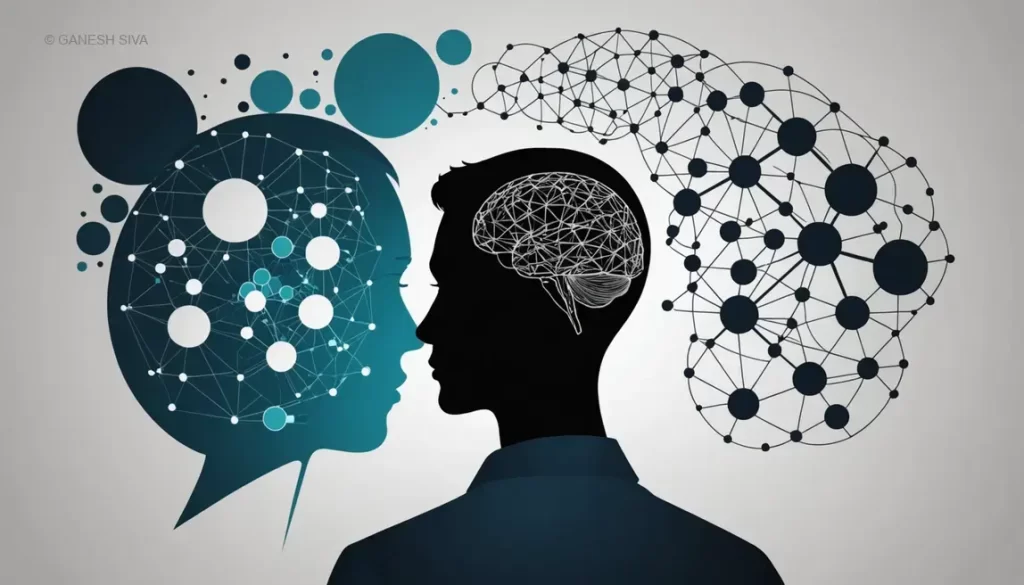
Bridging the Empathy Gap: Understanding and Overcoming Human Disconnection

The empathy gap, a phenomenon where an individual’s ability to empathize is reduced or entirely absent, is a psychological barrier with profound implications for personal relationships and societal dynamics. This article delves into the nature of empathy gaps, distinguishing between cognitive and affective types, and examining their causes and consequences. By unpacking this complex issue, […]

Bridging the Empathy Gap: Understanding and Overcoming Human Disconnection Read More »

Unraveling the Affect-as-Information Heuristic: How Our Feelings Shape Decisions

In the realm of cognitive psychology, the affect-as-information heuristic stands as a crucial model in understanding how our emotions impact our decision-making and cognitive functioning. This model posits that our affective feelings serve as a rich source of information, guiding us through objects, tasks, and decisions. By exploring the profound ways in which our emotions

Unraveling the Affect-as-Information Heuristic: How Our Feelings Shape Decisions Read More »

Exploring Abstract-Concrete Duality: A Philosophical Journey

Abstract-Concrete Duality represents a fundamental divide in understanding objects, ideas, and their interrelations within philosophy and the arts. This article delves deep into the essence of abstract and concrete entities, exploring their differences, interactions, and significance in shaping our perception of reality. By examining the criteria that define this duality, we unlock insights into how

Exploring Abstract-Concrete Duality: A Philosophical Journey Read More »

Understanding Present Bias: Pathways to Better Decision Making

At the heart of many decisions we make lies a critical but often overlooked factor: present bias. This phenomenon describes our tendency to overvalue immediate rewards at the expense of long-term benefits, influencing everything from our financial savings to health choices. This article delves into the concept of present bias, examining its implications, causes, and

Understanding Present Bias: Pathways to Better Decision Making Read More »

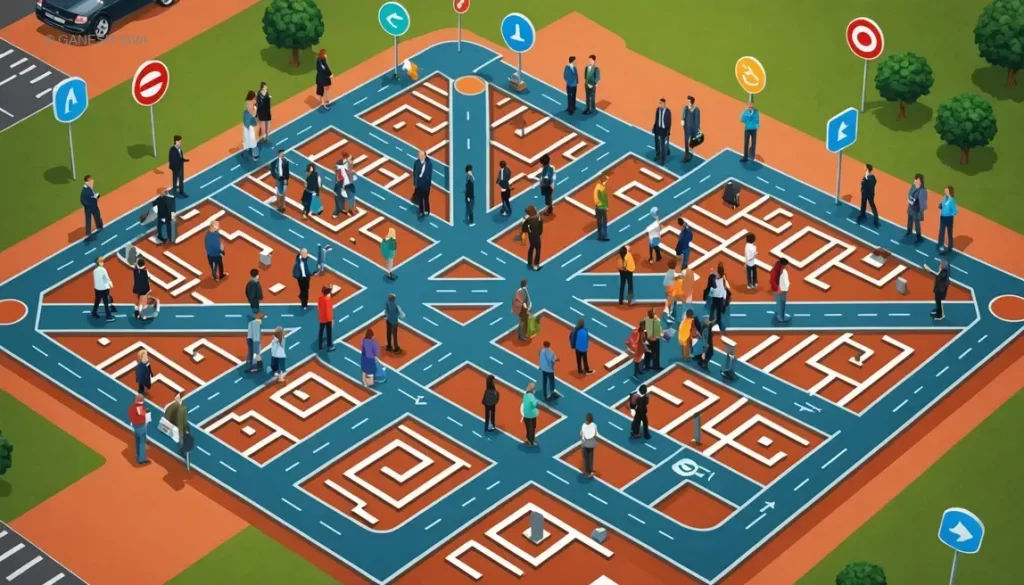
Navigating the Maze of Choice Overload: Understanding and Managing Your Decisions

In today’s world, the abundance of choices can lead to a phenomenon known as Choice Overload. This occurs when the vast array of options available makes decision-making difficult, leading to decreased satisfaction and potentially regret. This paradox suggests that having too many options can in fact be detrimental rather than beneficial. In this article, we

Navigating the Maze of Choice Overload: Understanding and Managing Your Decisions Read More »

Exploring Abstract-Concrete Duality: Unveiling the Essence of Existence

The Abstract-Concrete Duality serves as a foundational philosophical concept distinguishing between two types of entities: those that are tangible and exist within space and time, and those that are intangible, existing beyond physical realms. This duality prompts intriguing discussions in metaphysics, semantics, and beyond, influencing how we perceive the very nature of existence and knowledge.

Exploring Abstract-Concrete Duality: Unveiling the Essence of Existence Read More »

Decoding Unit Bias: How It Shapes Our Choices and Behaviors

Unit bias, a fascinating aspect of human cognition, influences our daily decisions and behaviors in subtle yet significant ways. This psychological phenomenon, where individuals prefer a single unit of a given item over multiple smaller units, affects various areas of life, including food consumption, product choices, and more. Our article delves deep into the nature

Decoding Unit Bias: How It Shapes Our Choices and Behaviors Read More »

Understanding Reactive Devaluation: Navigating Bias in Decision Making

Reactive devaluation is a pervasive yet often overlooked cognitive bias where individuals devalue proposals simply because they come from an antagonist or perceived opponent. This psychological phenomenon, first identified by Lee Ross and Constance Stillinger in 1988, reveals how our judgments and decision-making processes can be subtly yet significantly influenced by the source of information,

Understanding Reactive Devaluation: Navigating Bias in Decision Making Read More »

Navigating the Overjustification Effect: Understanding Motivation in Depth

The overjustification effect represents a fascinating paradox within the realm of psychology, suggesting that external incentives like money or prizes can actually diminish our intrinsic motivation to undertake a task. This article delves deep into the mechanics of motivation, distinguishes between intrinsic and extrinsic motivators, and examines how external rewards can sometimes lead to a

Navigating the Overjustification Effect: Understanding Motivation in Depth Read More »

Scroll to Top