
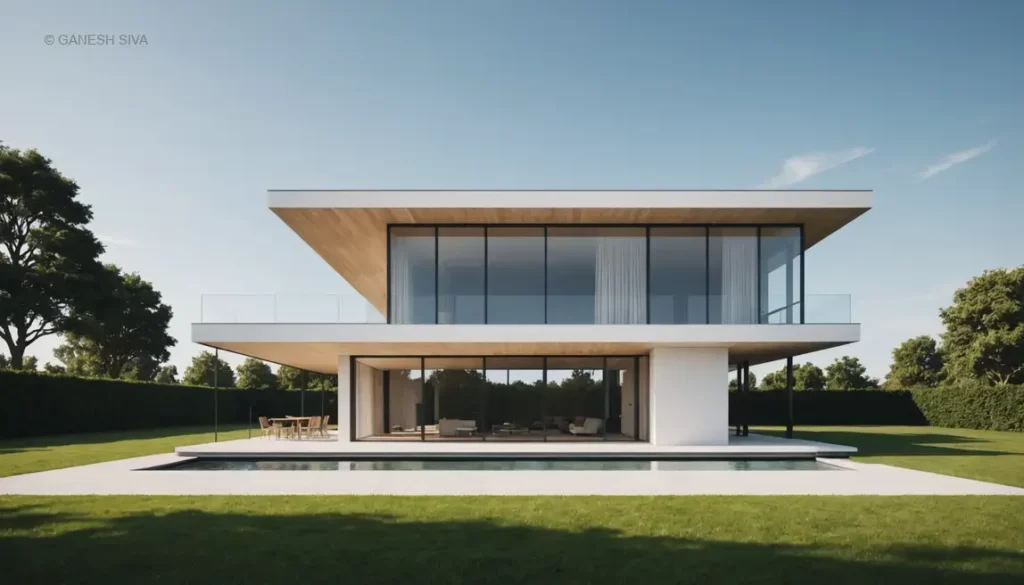
The principle of ‘Less is More’ serves as a beacon for simplicity and clarity in various domains of life, including art, architecture, lifestyle, and design. This article delves into the essence and roots of this minimalist mantra, tracing its influence from historical philosophies to its application in contemporary design and lifestyle choices. Discover how embracing fewer elements can enhance functionality, aesthetics, and overall well-being.
Historical Origins and Philosophical Underpinnings
The ‘Less is More’ philosophy, deeply entrenched in the tapestry of human history, can be traced back to the ancient civilization of Greece, renowned for its laconic expressions that encapsulate profound truths in minimal words. This philosophical lineage extends through centuries, touching the Renaissance with Robert Browning’s poetic maxim, “Less is more,” which succinctly captured the essence of simplicity and depth. However, it was architect Ludwig Mies van der Rohe who, in the 20th century, immortalized these words, embedding them as a foundational principle in modern architecture and design.
This chapter delves into the historical evolution and philosophical underpinnings of minimalism, illustrating how this principle transcends mere aesthetic to embody a broader cultural and philosophical ethos. The ancient Greeks, with their emphasis on harmony, proportion, and the beauty of the understated, laid the groundwork. Their ethos resonated through time, influencing various domains, including literature, art, and eventually, modern design and architecture.
In the Renaissance and Enlightenment periods, the growing emphasis on human reason and empirical evidence led to a reevaluation of the ornate and complex in favor of clarity and simplicity. This shift was not just a matter of style but a reflection of a deeper philosophical shift towards prioritizing the essence over excess.
The industrial revolution and the modernist movement in the 19th and 20th centuries further propelled the ‘Less is More’ philosophy. As the world became increasingly complex and cluttered with the rise of industrialization, the push for simplicity became both a counter-movement and a means of coping. The modernists, including Mies van der Rohe, advocated for purity and focus in design, rejecting the superfluous decorations of the past to highlight the beauty and functionality of bare structures and materials.
This historical journey reveals that the ‘Less is More’ philosophy is not merely an aesthetic preference but a deep-seated human inclination towards finding clarity, meaning, and beauty in simplicity. It underscores a universal quest to strip away the non-essential to focus on the essential, a principle that has found expression across cultures, eras, and domains, from art and literature to design and architecture. The philosophical core of minimalism, with its emphasis on clarity, simplicity, and the removal of superfluity, serves as a guiding light for achieving purity and focus, demonstrating how less can indeed be more.
Application in Design and Architecture
Building on the philosophical foundations laid out in previous discussions, the application of the ‘Less is More’ principle in design and architecture not only reflects a stylistic choice but embodies a profound transformation in how we interact with our environments. The elegance of minimalism in design and architecture is manifested through the purposeful employment of negative space, the emphasis on a limited palette of colors, and the preference for simplicity in typography. These elements combined create a powerful visual impact that transcends the aesthetic to communicate more with less.
In the realm of industrial design, minimalism champions products that prioritize functionality and simplicity over complexity and ornamentation. This approach reduces distractions, allowing the user to focus on the essence of the product. A classic example is the design philosophy of Dieter Rams, whose work for Braun became iconic for its straightforward, functional, and aesthetically pleasing products. Rams’ ten principles of good design, with a clear emphasis on making products useful and understandable, echo the core tenets of minimalism and have influenced generations of designers who prioritize sustainability and user-centered design.
Similarly, graphic design has seen a shift towards simplification, where maximalist tendencies are pared down to convey messages clearer and more directly. The use of negative space becomes a strategic element, guiding the viewer’s attention and making the subject stand out. Minimalistic graphic design, therefore, employs a limited color palette and simplistic typography to not overwhelm the viewer but to enhance the communicative aspect of the design subtly.
In architecture, the ‘Less is More’ principle revolutionized the way spaces are conceived and constructed. Architects like Frank Lloyd Wright and those from the Bauhaus movement pioneered a departure from the cluttered and ornate designs of the past to embrace clean lines, open spaces, and the harmonious blend of structure with the surrounding environment. This transition to streamlined structures not only redefined modern living spaces but also emphasized efficient use of materials and the importance of light and shadow in defining space. The integration of minimalist architecture within its environment demonstrates a balance between human habitation and nature, underscoring an approach that values sustainability and thoughtful consumption of resources.
As minimalism in design and architecture promotes a return to essentials, it inherently challenges us to reconsider our relationship with objects and spaces. By focusing on what is truly necessary, designers and architects not only propose aesthetically pleasing solutions but also advocate for a lifestyle that emphasizes mindfulness and environmental responsibility. This clarity and simplicity in design serve as a bridge to the next exploration of minimalism’s cultural impact and its profound implications on modern lifestyle choices, underlining minimalism’s role in fostering sustainability and conscious consumption in an ever-complicated world.
Cultural Impact and Modern Lifestyle
The ‘Less is More’ effect, extending beyond the realms of design and architecture discussed in the preceding chapter, has woven itself into the very fabric of contemporary cultural life. This philosophy finds its resonance within fashion, art, and music, advocating a return to essentials, focusing on the value and sustainability of creation rather than sheer abundance. It underlines a strategic choice to emphasize simplicity, not as a limitation but as an exploration of depth and substance over superficial excess.
In fashion, the minimalist ethos manifests through clean lines, functional forms, and a restrained color palette. Brands and designers adopting this approach, like Jil Sander or the early works of Calvin Klein, focus on timeless pieces that transcend seasonal trends, advocating for a sustainable approach to consumption and production. These minimalist fashion statements aren’t just aesthetic choices but declarations of values, choosing quality over quantity and enduring style over fleeting fad.
The art world, too, reflects this minimalist sentiment. From the restrained expressions of Minimalism in the 1960s, characterized by artists like Donald Judd and Agnes Martin, to the contemporary leanings towards less ornate and more conceptually driven works, art has continuously explored the power of reduction. This minimal approach in art seeks to strip away the unnecessary, inviting contemplation and a deeper engagement with the essence of the subject matter.
Similarly, in music, minimalism has been a powerful movement. Artists and composers, including Philip Glass and Steve Reich, employ repetitive motifs and sparse arrangements to create complex emotional landscapes, proving that simplicity can produce profound impacts. This trend underscores a conscious choice to focus on the purity of sound and the emotional depth it can convey, stepping away from overproduction in favor of authenticity.
However, the embrace of minimalism in these cultural spheres is not without its critics. Concerns often arise about minimalism’s perceived austerity and its potential lack of warmth or personality. Critics argue that a strict adherence to minimalist principles can lead to spaces, garments, and artworks that feel impersonal or unfinished. Yet, as this chapter underscores, the essence of minimalism in lifestyle and culture is not about deprivation or austerity but about focusing on what genuinely matters. It is a conscious choice to prioritize sustainability and mindful consumption over the relentless pursuit of more, a philosophical stance that resonates increasingly in today’s environmentally and socially conscious climate.
As we transition into the next chapter, which explores critiques and counterpoints to minimalism, it is crucial to remember that minimalism, at its core, is a spectrum rather than a rigid set of rules. It offers a lens through which we can question, refine, and redefine our values, highlighting the ongoing dialogue between minimalism and other design and lifestyle philosophies that emphasize richness and complexity. This discourse enriches our understanding of minimalism, allowing us to appreciate its depth and the diversity of its applications in our modern lives.
Critiques and Counterpoints to Minimalism
Embracing the minimalist philosophy, particularly within design and lifestyle, implies adherence to the ‘Less is More’ principle. This approach has been celebrated for its elegance, efficiency, and the way it pares life down to its essentials. However, it’s crucial to engage with critiques and counterpoints to understand fully the spectrum of perspectives on minimalism. While the previous chapter discussed cultural impacts and the modern application of minimalism, suggesting a broader adoption beyond aesthetics into a lifestyle, here, we delve into the debates that challenge or critique this principle, providing a nuanced understanding.
Critics of minimalism often argue that its aesthetic can veer towards sterility and a lack of personality. For them, minimalist spaces sometimes feel too impersonal, lacking the warmth and history that objects and decorations can convey about an individual’s life story. This critique extends to the lifestyle aspect, where detractors claim it may not account for the complexities and richness of human experience. They argue that the minimalist lifestyle could oversimplify the vast array of human emotions and relationships, potentially leading to a one-size-fits-all approach to living that might not suit everyone.
Contrastingly, design and lifestyle philosophies that emphasize maximalism, ornateness, or the eclectic integration of various styles and periods offer counterpoints to minimalism. These approaches advocate for richness, complexity, and the personalization of spaces and lifestyles. They emphasize that more can indeed be more when it enhances one’s quality of life, personal expression, and emotional well-being. For maximalists or proponents of more complex design philosophies, the presence of more objects, colors, and patterns is equated with a greater capacity for personal expression and storytelling within a space.
This debate does not detract from the acknowledged benefits of minimalism, such as its potential for sustainability and fostering conscious consumption, themes we will explore in the following chapter. Instead, it highlights the subjective nature of design and lifestyle choices and emphasizes the importance of individual context when adopting a minimalist ethos. Understanding these critiques allows for a holistic appreciation of minimalism, encouraging a personalized and balanced approach rather than strict adherence to principles that may not resonate with everyone’s experiences or needs.
Ultimately, minimalism and its critiques invite an ongoing dialogue about what constitutes meaningful living and design. As we move towards linking minimalism with sustainability and future directions, it becomes clear that the ethos can evolve. Embracing both its principles and criticisms ensures its relevance and adaptability in addressing contemporary challenges, such as ecological concerns, without losing sight of its core value: to simplify in order to enhance.
Evolution, Sustainability, and Future Directions
The “Less is More” ethos, a guiding principle of minimalism, has significantly evolved from its initial focus on aesthetic simplicity to encompass broader concerns of sustainability and eco-design. This shift mirrors a growing awareness of our environmental footprint and a collective endeavor to tread more lightly on the planet. As we have navigated through various critiques and counterpoints to minimalism, it’s evident that its principles offer a compelling response to today’s ecological challenges, advocating for a conscious reduction in consumption and a thoughtful appreciation for the resources at our disposal.
Minimalism, in its essence, promotes not only the decluttering of physical spaces but also encourages a mindful approach to the use and choice of materials. The movement’s evolution has seamlessly integrated the principles of eco-design, highlighting the importance of using recycled materials and emphasizing the reduction of waste. This integration speaks volumes about minimalism’s adaptability and its potential to contribute positively to environmental sustainability. By choosing quality over quantity and favoring products that offer longevity and minimal environmental impact, minimalism aligns closely with the principles of sustainable living.
The future trajectory of minimalism seems poised to delve deeper into the realms of sustainability and ethical responsibility. As consumer awareness regarding the environmental impact of their choices continues to grow, so does the demand for designs that are not only aesthetically pleasing but also responsibly sourced and produced. Minimalism, with its inherent focus on the essential, is well-positioned to guide this shift, encouraging designs that prioritize eco-friendliness without compromising on functionality or beauty.
Moreover, as we venture into the future, minimalism is likely to influence broader lifestyle and consumption patterns. The ethos could drive a larger societal shift towards embracing practices that are in harmony with the environment, from reducing waste to adopting circular economy principles. The potential for minimalism to contribute to a more sustainable and ethically responsible world is immense, offering a blueprint for living and designing in a way that respects our planet’s limits while enriching our lives with simplicity and purpose.
Conclusions
The ‘Less is More’ philosophy transcends its roots in minimalism, embodying a holistic approach to design, lifestyle, and sustainability. This exploration underscores the timeless relevance of embracing simplicity, showing how it enriches our lives by prioritizing clarity, functionality, and environmental awareness. By applying fewer, focused elements, we can achieve a deeper appreciation for the essentials, guiding our choices towards more meaningful and sustainable outcomes.